The Gate-to-Trail Hunting Preparation Check That Prevents Bad Field Starts
Preparing for a Hunting Experience: Your Essential Access Checklist
When getting ready, for a hunting trip it's easy to focus on picking the gear and making a plan.. One important part that can change everything is making sure you can get to your hunting spot without problems. The last part of the journey from your car to the place where you hunt can often have issues. Whether its a path, a road or a gate something that looks fine on a map can become hard or dangerous because of weather. Not being taken care of. Some time spent planning can stop you from starting your trip with problems.
Check Access Permissions Before You Go
Before you go it's important to make sure the way you want to take is actually allowed. Just because a road or a trail is on a map doesn't mean it's open for people to use. Each place where you can go might have rules. Some might allow cars while others only let people walk. Also some places might be closed during times because of animals, fires or other reasons.
Before you leave call the group that takes care of the area. Public places usually have rules about where you can park, when you can go in and where you can't. Having the right to hunt doesn't mean you can park or go anywhere you want. In some cases you might not even be able to go near some places to the roads that're open.
Keep up to date on any changes that could affect your way. An entry road might be closed because of a storm or a new fire danger might appear. Having a copy of your permission or at least a note that says what you are allowed to do can help a lot. Being aware of your rights to go is just as important as having the right to be there.
Navigating Problems on Your Way
The land is always changing. A dry road made of gravel might quickly become muddy after rain and sunny days can hide dangers like edges or deep ruts. Seasons change a lot so its important to check your planned way
Look ahead for any problems. Are there holes? Fallen trees? Sudden dips in the ground? Any of these can slow you down. Also think about where you will park your car. Don't block any gates or paths. Make sure your car doesn't stop others from going. When you find a place to park choose a spot that makes it less likely you will get stuck. Still keep the paths open.
If you see loose ground plan where you will stop before those problems start to affect your choices. Don't wait until you have to stop. When the conditions are not good like after rain or during times you might want to park away and walk because it might be safer than risking your car or hurting the land.
Plan Your Way Back Before You Leave
Problems with getting in aren't the issues you might have. They can happen when you are going back too. Being tired not having heavy gear can make it hard to get back to your car. To avoid this plan your return before you start your trip.
Mark where your car is and know the direction of the gate or path. Have another way ready if the main path is blocked. If you are hunting with others decide on a place where you will meet if someone gets lost.
Always tell someone you trust where you are going the place you are entering the way you plan to go and when you expect to come. Make it clear what might be wrong if you don't come back on time. It's good to bring a phone that is fully charged. Don't count on it for directions. Use a map as a backup. Also bring a flashlight in case you have to walk after dark.
Packing for Your Trip
What you pack should match the problems you might face on the way. Try to carry what you need but be ready so you don't get into trouble. Before you finish packing make sure you have the following things:
– Updated papers and rules about the land
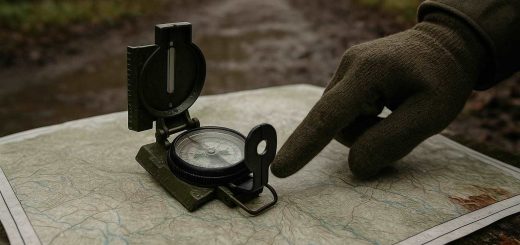
– A map that works without a phone
– A phone that is fully charged and a charger
– Enough water some food that doesn't go bad and a first aid kit
– Clothes that fit the weather plus extra gloves and dry socks
– Shoes that are good for icy or rocky places
– Tools that could help if your car gets stuck
– Bags to throw away trash and for personal things
Put heavier things at the bottom of your bag so it stays balanced and nothing catches on trees or bushes. Also put things where you can reach them easily so you can get them quickly while you stay aware and moving.
Making Safety and Taking Care of the Land a Priority
Places where people start their hikes and gates are places where many different people come together like hunters, hikers and others. This shared use can bring some problems so it's important to be polite and kind. Always park where you are supposed to so people can move around. Follow the signs. If needed close the gates behind you to make sure others can use them later.
When you go off the road and onto trails don't try to take cuts. Stay on the paths to protect the plants and the environment. Watch out for dangers like cars, houses and other hunters while making sure you follow the rules for guns. If things look dangerous like because of the weather not seeing well or a blocked path it's better to stop and think again. Waiting can be the choice.
Write down any problems you see like gates, blocked paths or closed roads. Your notes can help the people who take care of the land fix these issues and keep the places good for everyone. Remember, your time in the wild is not about having fun-it's also, about being responsible and helping to keep the places you visit safe and clean.